
Bouillabaisse in Marseille, the port's signature dish
Bouillabaisse was born in Marseille, on the quays, from the gesture of the fishermen who made the most of the day’s humbler fish. From a dish shared among people of the sea, it became the city’s culinary emblem. Even today, to speak of bouillabaisse in Marseille, or of the best bouillabaisse in Marseille, is to speak of identity as much as of cooking. Au Bout du Quai belongs to this Mediterranean tradition at 1 Avenue de Saint-Jean, on the northern corner of the Old Port, with a simple logic: we work with what the day’s catch allows.
This page brings together the essentials on Marseille bouillabaisse, its history, its traditions and the place of local fish in the cooking of Marseille. It is meant as much for regulars as for visitors discovering the area. The aim is to answer questions before booking, not after.
The origins of Marseille bouillabaisse
Bouillabaisse was not born in a cookery book, but on the harbour. In the beginning, it was the fishermen’s soup: they would boil the fish left unsold or too damaged to sell, in a broth scented with herbs and olive oil. What was once a dish made from leftovers became, in time, a symbol of the Marseille table. The story of this dish says a great deal about the city: working-class, maritime, unpretentious.
The name itself tells the technique. You bring the broth to a rolling boil, then lower the heat — “bouille-abaisse”. This detail is a reminder that bouillabaisse is above all a matter of controlled cooking, not of rare ingredients. The Mediterranean provides the raw material, the know-how does the rest. It is this direct kinship with the sea that anchors the dish in the landscape of the Old Port.
Which fish make up a traditional bouillabaisse
A Marseille bouillabaisse is built around the rockfish of the Mediterranean. The rascasse is its emblematic piece: its firm flesh and pronounced taste give the broth its depth. Around it traditionally gather the galinette (the grondin), the vive, the saint-pierre, the congre and, depending on the version, the lotte. These are not noble fish in the way of sea bass or sea bream: they are auction-hall fish, sometimes thankless to prepare, but rich in flavour once simmered.
This diversity is no accident. Each species brings a different texture and aroma, and it is their combination that makes the broth. A bouillabaisse reduced to a single fish loses its meaning. In Marseille, the exact composition depends on what the catch has landed, which explains why no bouillabaisse is quite like the one before. The same logic of local fishing guides the cooking at Au Bout du Quai, where the menu follows the landings rather than the other way round.
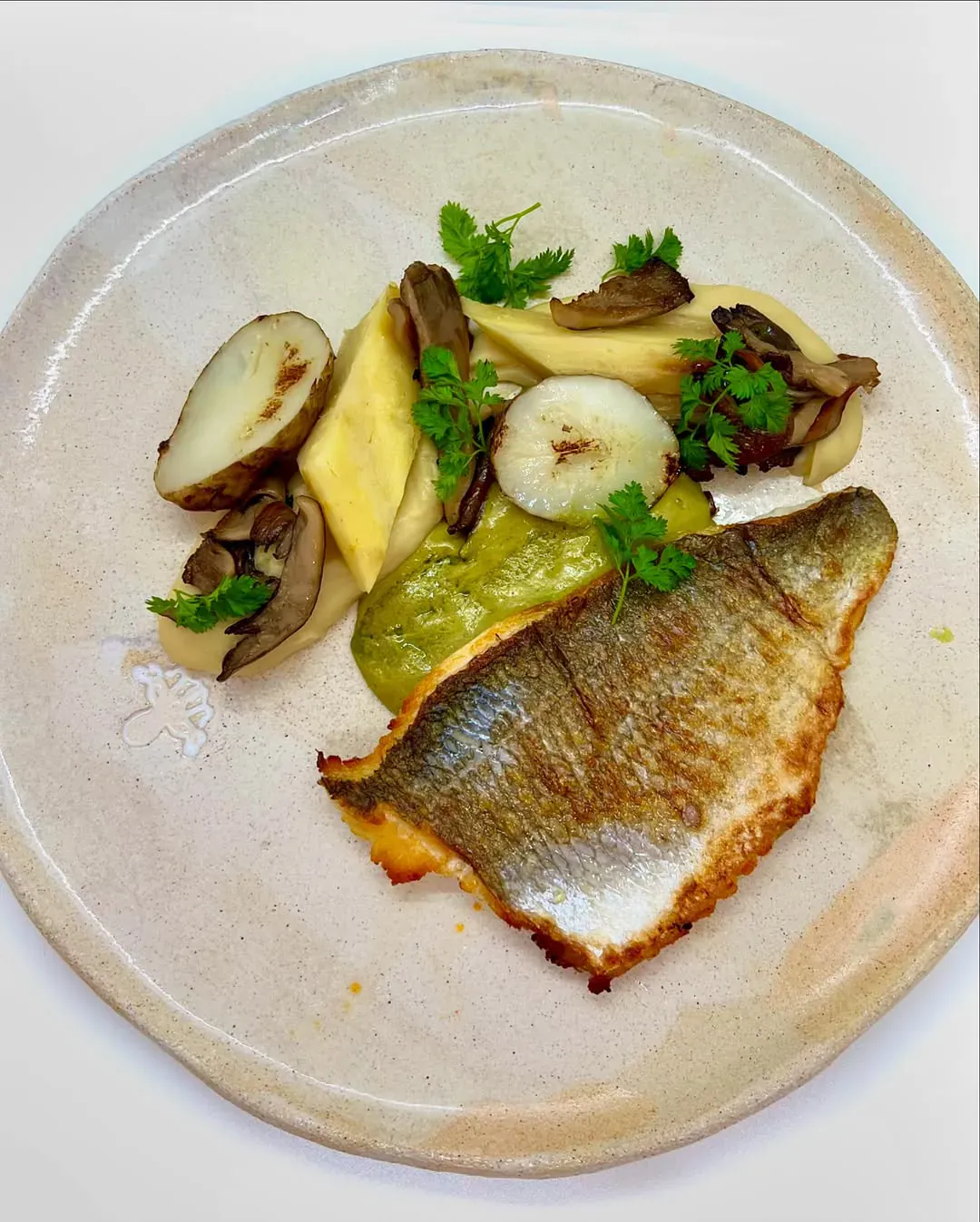
Rockfish, the heart of bouillabaisse
Bouillabaisse is not a single recipe but an assembly. Rascasse, galinette, vive, saint-pierre and congre: each rockfish brings its own texture and aroma to the broth. It is this variety, never a single fish, that gives the dish its depth.
It is served in two stages: the broth first, with croutons, rouille and garlic, then the fish presented before the guest. A broth scented with safran, fennel and orange peel marks a bouillabaisse true to its traditions.
How to recognise an authentic bouillabaisse
A few simple markers help tell a real bouillabaisse from a fish soup passed off under that name. It is served in two stages: the broth first, with croutons, rouille and garlic, then the fish, presented whole or filleted before the guest. A bouillabaisse served in a single dish, the fish drowned in the broth, already strays from tradition. Several varieties of rockfish, a homemade rouille and a broth scented with safran, fennel and orange peel are the marks of a dish true to its traditions.
It is precisely to preserve these customs that Marseille restaurateurs drew up a bouillabaisse charter in 1980, setting out specifications on the species used and the ritual of service. Without going into such formality, the spirit stays the same everywhere: a fishermen’s dish, generous, that does not cut corners on the freshness of the fish. The price of a real bouillabaisse is explained, moreover, by this demand for fresh produce and variety, far from industrial versions. It is also what separates one serious address from another when you are looking for the best bouillabaisse in Marseille.
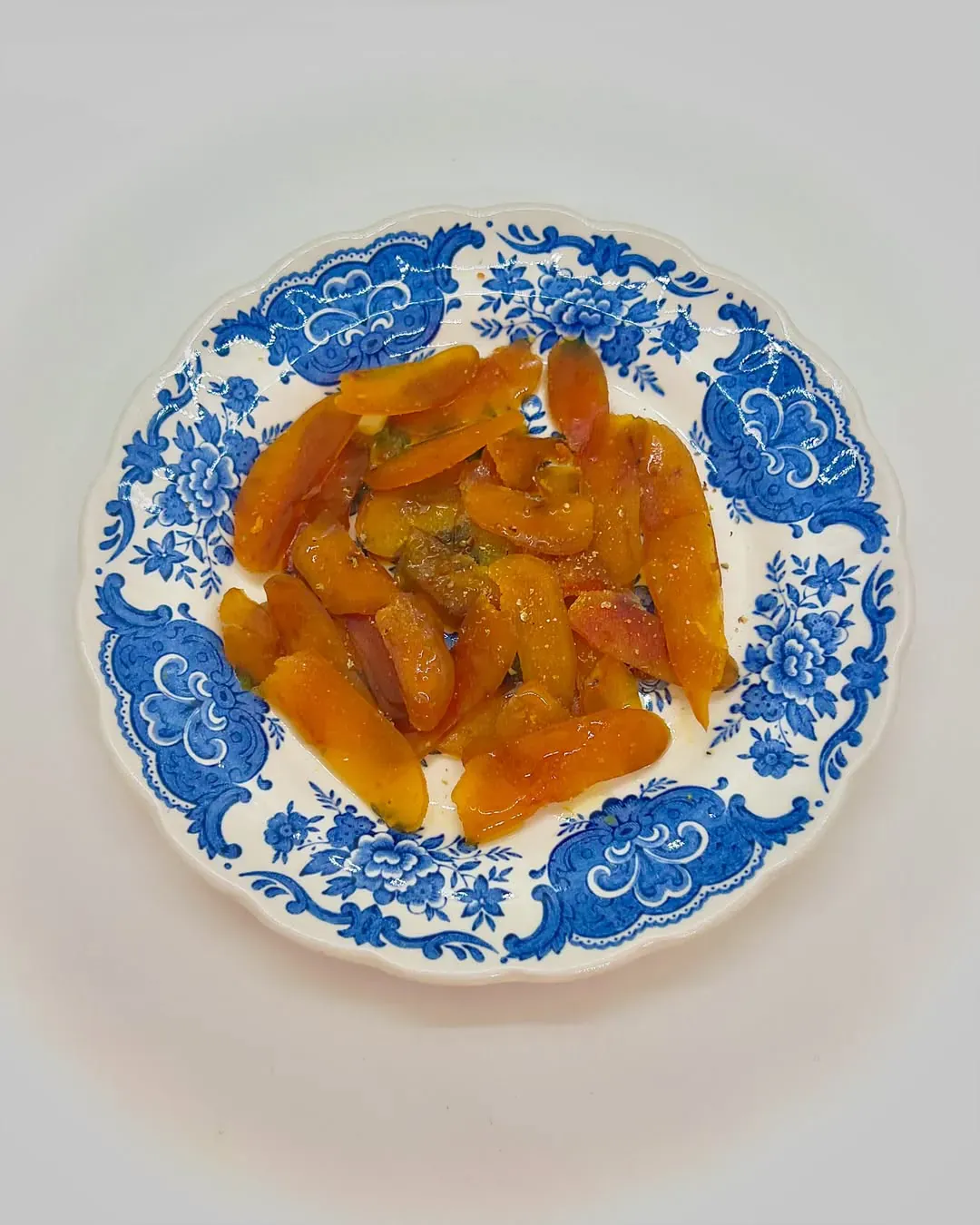
Where to eat bouillabaisse in Marseille: ours at Au Bout du Quai
At the far end of the Old Port, on the Fort Saint-Jean side, bouillabaisse is on the restaurant menu. Its name says everything about its philosophy: the fish of the day, those landed by local fishermen, make up the dish. Its composition therefore changes with the catch, as Marseille tradition requires.
- Saffron potatoes
- Rouille and croutons
- Soup supplement available on the menu
The restaurant menu remains the reference for the fish and dishes being served when you visit.
Bouillabaisse or bourride: two fish soups not to be confused
Bouillabaisse and bourride are often confused, two Provençal fish dishes that do not, in fact, resemble one another. Bouillabaisse rests on rockfish, a broth of safran, tomato and fennel, and comes with a well-seasoned rouille. Bourride, for its part, is made rather with white fish such as lotte or merlan, and its broth is bound with aïoli, which gives it a creamier texture and a pronounced garlic taste.
For anyone discovering Marseille cuisine, the choice comes down to the taste you are after: bouillabaisse for the briny power and the variety of fish, bourride for the gentleness of the aïoli. Both tell the same story, a cuisine of the sea born on the quays, conceived to show local fish at its best. To know what is served according to the season and the day’s catch, the restaurant menu remains the reference, and the fish restaurant in Marseille page looks back on this work with the produce.
A Mediterranean cuisine turned towards fish
The Mediterranean is not a backdrop on the menu, it is the raw material. Whole fish, simple preparations, seasonal vegetables. Olive oil often replaces butter. Sauces stay discreet so as not to mask the produce. This approach is nothing original on paper; it becomes so when you truly apply it, day after day, in the spirit that gave rise to bouillabaisse.
The common mistake is to overload the plate to justify the price. You then see elaborate platings set upon average produce. The choice here is the opposite. A fine fish, cooked just right, simply accompanied. It is more exposed: a mediocre product shows at once. It is also more honest with the guest, and it is exactly what a cuisine of the sea true to its roots calls for.
To discover the detail of the preparations and the range of dishes according to the season, the full restaurant menu gives an up-to-date view. It changes regularly with the landings.
The role of local fishing in the cooking of Marseille
A fish cuisine worthy of Marseille depends entirely on the catch. It is as much a constraint as a strength. When a fish is missing, it is not replaced by a frozen product to fill the gap. This rigour costs in flexibility; in return it offers an honest plate: the guest eats what has just been caught, not a menu cut off from the season.
This short-supply-chain logic is not just a postcard argument on the Old Port. It shapes the meal. The fish has not travelled hundreds of kilometres before reaching the kitchen. On the harbour, the short supply chain is a geographical reality before it is a marketing promise, and it is precisely this heritage that gave rise to bouillabaisse.
For a broader view of the city’s cuisine and its addresses, the restaurant in Marseille page rounds out this overview, as does the restaurant on the Old Port page, which looks back on the setting at the water’s edge.
Enjoying Marseille cuisine by the Old Port
The restaurant sits at 1 Avenue de Saint-Jean, in the 13002, at the northern tip of the Old Port, on the Fort Saint-Jean side. This location has a practical consequence: you can reach the site on foot from almost the whole city centre. Hôtel de Ville, Le Panier and La Major are a few minutes’ walk away, and the Vieux-Port-Hôtel de Ville metro remains the most direct option.
Booking is not compulsory, but it is recommended. The dining room fills quickly at weekends and in high season, particularly between April and September. For a weekday lunch, the margin is generally more comfortable. For a Friday evening dinner in summer, it is best to arrange it a few days ahead, especially if you are coming to taste the cuisine of the sea facing the harbour.
Bouillabaisse as a culinary landmark of Marseille
Bouillabaisse remains one of the few dishes that says so clearly where it comes from. It belongs to a set of customs that shape the city’s culinary culture: the grilled fish on a Sunday, the apéritif by the water, the family table where the sea holds pride of place. According to figures from the Marseille Tourist Office, gastronomy ranks among the leading reasons to visit.
This identity does not build itself alone. It rests on a fabric of fishermen, producers and small trades that resist standardisation. Working with them costs more than industrial supply. This also explains why a restaurant that lays claim to this chain does not compare, in price, with a chain outlet. The choice is owned, and the Old Port is its logical setting.
Fancy discovering the cuisine of the sea in Marseille? Book your table by the Old Port.
Frequently asked questions
What defines a true Marseille bouillabaisse?
Bouillabaisse rests first and foremost on locally caught fish and on a broth left to simmer at length. It is a harbour dish, born of what the fishermen shared and adapted to each day's catch. In Marseille, the spirit remains that of a simple cuisine that puts the fruits of the sea to the fore.
Does bouillabaisse depend on the day's catch?
Yes. Like any cuisine built on fish from local fishermen, availability follows the landings. Depending on what the catch allows, some fish are there, others are not. That is what sets a living menu apart from a fixed one, and it holds just as true for the dishes around bouillabaisse.
Do you need to book to eat by the Old Port?
It is strongly advised. The Old Port draws a great many people, especially at weekends and between April and September. Booking avoids the wait and lets you choose where you sit, in the dining room or out on the terrace, at the water's edge.
Where is the restaurant to discover Marseille cuisine?
Au Bout du Quai sits at 1 Avenue de Saint-Jean, in the 2nd arrondissement, at the northern tip of the Old Port on the Fort Saint-Jean side. We are right at the water's edge, in the historic heart of Marseille.
How can I find out which dishes are served with the season?
The menu changes regularly with the catch and the fresh produce of the moment. The online menu gives the most up-to-date picture of the dishes available. For a specific question about a dish, the contact page brings all the details together.
Can you arrange a Marseille meal for a group?
Yes, private hire is possible for a company meal, a birthday or a family celebration. The arrangements are discussed according to the date and the number of guests. The dedicated private hire page sets out the options.
Which fish make up a traditional bouillabaisse?
A Marseille bouillabaisse is built around the rockfish of the Mediterranean. The rascasse is its emblematic piece, traditionally joined by the galinette (the grondin), the vive, the saint-pierre, the congre and sometimes the lotte. It is the combination of several species, and not a single fish, that gives the broth its depth.
How can you recognise an authentic bouillabaisse?
It is served in two stages: the broth first, with croutons, rouille and garlic, then the fish presented whole or filleted before the guest. Several varieties of rockfish, a homemade rouille and a broth scented with safran, fennel and orange peel are the marks of a dish true to its traditions. A bouillabaisse served in a single dish strays from tradition.
What is the difference between a bouillabaisse and a bourride?
Bouillabaisse rests on rockfish and a broth of safran, tomato and fennel, served with a well-seasoned rouille. Bourride is made instead with white fish such as lotte or merlan, and its broth is bound with aïoli, which gives it a creamier texture and a pronounced garlic taste. Two Provençal fish soups, but quite distinct.
Can you eat bouillabaisse at Au Bout du Quai?
Yes. The menu offers a fish bouillabaisse of the day, served with saffron potatoes, rouille and croutons. Its composition follows the local catch: the online menu remains the reference for the dishes served when you visit.
To go further into the restaurant’s news and the topics around Mediterranean cuisine, the blog gathers the published articles. The menu of the day rounds out this page with the detail of the dishes currently served. For an event, the private hire page sets out the options, and the where to eat bouillabaisse in Marseille page points you to the right table.
Au Bout du Quai
Mediterranean restaurant on the Old Port
1 Avenue de Saint-Jean, 13002 Marseille
Mediterranean cuisine, fish from local fishermen and fresh produce, in the tradition of Marseille bouillabaisse. Lunches, dinners and private events by the Old Port.